

 RECOVERY PACK
 Yanga
Yanga Loyalty program
 Group trainings
 Personal trainings
 HYROX trainings
 Intro trainings
 Friends & Family Invites
 All trainers
 Business
 Mision and values
 Rules
Rules All clubs
 Club occupancy
 News
News Career
A professor of health sciences was blunt: without this habit, there will be no longevity
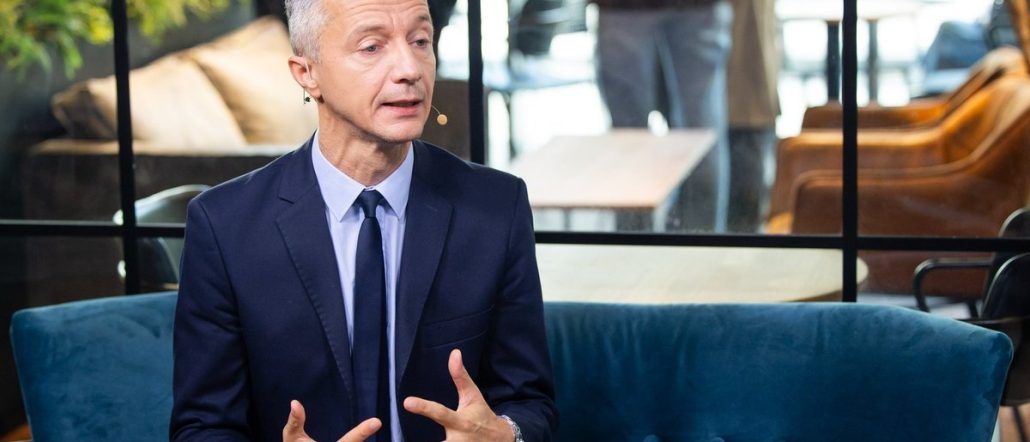
Longevity is becoming increasingly important in all of our lives today, living not only longer, but also with quality is gradually becoming a trend. And although public space is full of complex advice and extreme wellness fads, science speaks quite clearly: without physical activity, emphasizes Prof. Arūnas Emeljanovas of the Faculty of Medicine at Vilnius University, there is no longevity.
“Perhaps we should start from the fact that there can be no longevity without physical activity. Physical activity is probably one of the most important factors in extending our lives,” says the professor, adding that even minimal but consistently applied habits can have a significant impact.
7,000 steps – a necessity
For example, when talking about simple everyday habits, walking is worth remembering. However, the long-standing recommendation of 10,000 steps per day is now viewed more critically. According to Prof. Arūnas Emeljanovas, the latest large-scale meta-analysis shows that the real threshold for benefits is lower: “We all knew that [10,000 steps] were considered the key target, but it was never a scientifically proven fact. About half a year ago, the largest meta-analysis to date on step counts was published. It showed that 7,000 steps per day are enough but not in the sense that you only reach them occasionally, but that you consistently walk them over months, years, and decades,” he explains.
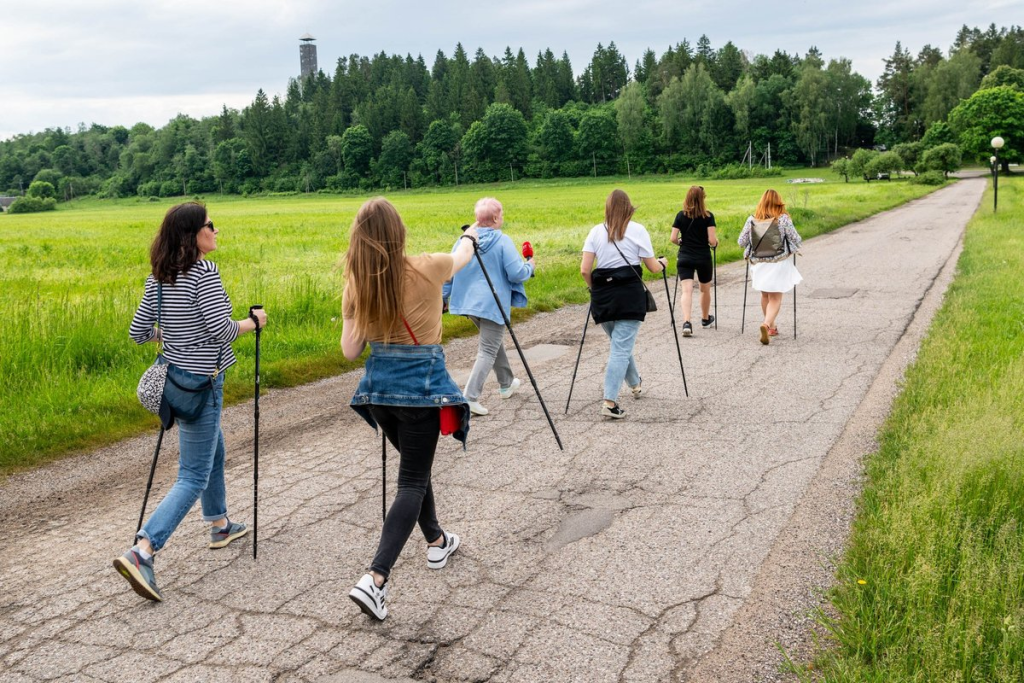
The importance of this consistency, the professor says, is fundamental. Studies show that people who walk about 7,000 steps per day, compared to those who walk only 2,000, have a 47% lower risk of early death. They also have significantly lower risks of cardiovascular disease, cancer, type 2 diabetes, dementia, and depression. Prof. Arūnas Emeljanovas explains: “Compared to those who walk 2,000 steps, those who reach 7,000 steps have a 47% lower risk of all-cause mortality, a 25% lower risk of cardiovascular disease incidence, a 47% lower risk of cardiovascular disease mortality, a 37% lower risk of cancer mortality, a 14% lower risk of type 2 diabetes, a 38% lower risk of dementia, a 22% lower risk of depressive symptoms, and it is also important for fall prevention, especially in older adults, where the risk of falls is reduced by 28%.”
However, he warns not to interpret this number too simplistically. If a person naturally moves more, it will certainly not harm their health, but for those who artificially aim for the 10,000-step goal by constantly tracking steps on smart devices, it may be more useful to reconsider priorities and use that time for other types of physical activity. The professor suggests focusing on exercises that develop different physical capacities, such as stretching, strength training, and some cardio. “In short, 7,000 steps is a minimum threshold, because if we walk more, studies show there is no significant additional benefit. The greatest effect is seen up to 7,000 steps, and beyond that the benefit is either small or non-existent,” he emphasizes.
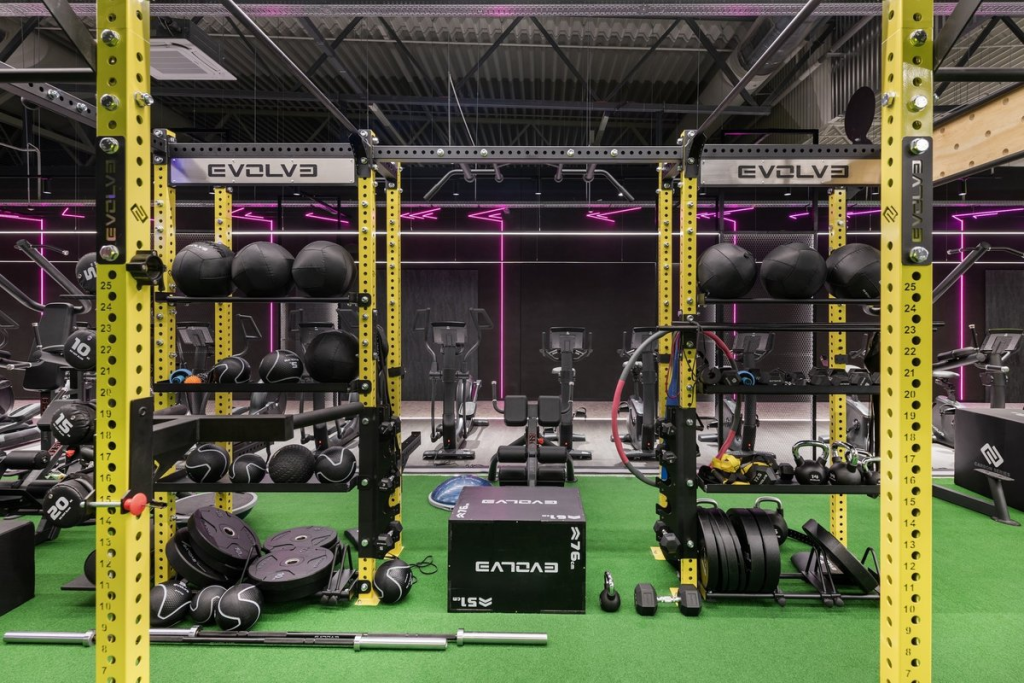
This is where another important component of longevity comes in – strength training. According to Prof. Arūnas Emeljanovas, it is still not sufficiently valued, even though its importance for the body is fundamental: “Muscle tissue is essential. Some even classify it as part of the endocrine system, because it is related to hormones and contributes to everything beneficial in our body.” The professor also emphasizes that the loss of muscle mass, known as sarcopenia, is directly linked to a higher risk of serious diseases. He provides concrete figures: people with this condition have a 1.5 times higher risk of heart attack, stroke, or cancer, and the risk of disability doubles. “In short, it is involved in all processes,” he summarizes.
More about the benefits of strength training and its great importance for the body is actively communicated by Lithuanian sports scientist Prof. Albertas Skurvydas. Earlier, we discussed with the professor the importance of muscles for human health, and here he particularly emphasizes the muscle–hormone connection mentioned by Prof. Emeljanovas, drawing attention to myokines – signaling proteins released by muscle cells during physical activity. Simply put, working muscles act as an endocrine organ, releasing hundreds of different types of myokines which strengthen muscles and protect them from atrophy, help strengthen bones, regulate liver function, reduce fat accumulation in the body, and directly affect the brain by promoting neuronal regeneration.
“Myokines also stimulate the metabolism of beneficial bacteria in the intestines, the pancreas, and the endocrine system. About 20 different types of myokines fight cancer cell growth, reduce stress, lower the risk of 40–45 chronic diseases by about 30–50%, and also lengthen telomeres – making genes more resistant,” the scientist explains.
Thus, the benefits of muscles are immeasurable, and they can only be ensured by incorporating strength training into daily life. According to Prof. Albertas Skurvydas, there is no alternative to this: “It is not enough just to walk 6–10 thousand steps a day or move for an hour or an hour and a half. Strength exercises are absolutely necessary, because they are the only exercises that stimulate protein synthesis.”
When asked how often strength training should be included in daily life, Prof. Arūnas Emeljanovas points out that clear guidelines are provided by the World Health Organization: “The WHO clearly states that adults should, at a minimum I emphasize, at a minimum train their muscles at least twice per week,” he explains. However, the most important thing, according to him, is to train all muscle groups in a balanced way and avoid asymmetry, while also allowing time for recovery.
An important message for beginners is that strength training does not necessarily mean heavy weights. At the beginning, bodyweight exercises such as squats, push-ups, and lunges are sufficient, and resistance bands can also be used. “After six months or a year, you can start lifting dumbbells or barbells. There is no age limit for strength training, but the principle of common sense is very important,” he says.
When asked when the best time to start exercising is, the professor says this is not a habit that should begin “on Monday.” It should accompany a person throughout their entire life from early childhood: “WHO physical activity recommendations start from infancy. The first set of guidelines begins right from birth,” says Prof. Arūnas Emeljanovas.
In childhood, movement happens naturally through play, curiosity, and exploring the environment. However, he explains that research shows that while adult physical activity in Lithuania is slowly improving, children’s activity levels are decreasing, often due to adult interference. “Children naturally move they need to climb, touch, pull things, and explore. And what do adults usually do? Don’t climb, don’t take that, just sit still. Nowadays, after work or even when visiting friends, it has become common to give a child a tablet to keep them quiet. In doing so, we are preventing children from moving. Let them move. And don’t be afraid that they will get wet, get dirty, or even scrape their knees sometimes. That is learning and exploration,” he says. He also emphasizes that although physical activity among adults is gradually increasing, we are still far from being one of the most physically active nations. This is largely due to lifestyle changes more time spent sitting, less natural movement, and choosing shopping malls over walking in nature.
“Let’s not go to the shopping center on the weekend. If you don’t go, you’ll see it’s full anyway. It seems like there are no forests, parks, or good weather anymore though there actually are. Let’s go for a walk, let’s play something. This way we also develop a child’s understanding and awareness that physical activity is a good thing, especially when they see their parents moving,” he emphasizes. Speaking about modern health and longevity trends, the professor highlights the importance of critical thinking. According to him, people are increasingly interested in health but often fall into extremes. “Nowadays there is definitely a lot of information about healthy living. But now we need critical thinking to distinguish what actually is a healthy lifestyle, because trends like eating only meat or only vegetables both are extremes. We need all three macronutrients carbohydrates, fats, and proteins. Both meat and vegetables are necessary. Or running a marathon every day that is not healthy either. Just as spending 23 hours on the sofa watching Netflix is not healthy. Balance is needed,” he emphasizes.
However, in that balance, he stresses once again, time for movement must be found. One of the main excuses for avoiding physical activity is lack of time. But Prof. Emeljanovas says there will never be enough time, so activities must be prioritized. Physical activity, he stresses, should not be seen as time lost, but as an investment: “Physical activity and sport are not an expense in terms of time. They are an investment in your body, your brain, and your well-being.” The most important thing is to find a form of movement that brings enjoyment whether it is running, yoga, swimming, or simply walking. “I believe movement, sport, and physical activity are no longer a choice. In fact, they should no longer be a choice. They are a necessity.”