


 RECOVERY PACK
 Yanga
Yanga Loyalty program
 Group trainings
 Personal trainings
 HYROX trainings
 Intro trainings
 Friends & Family Invites
 All trainers
 Business
 Mision and values
 Rules
Rules All clubs
 Club occupancy
 News
News Career
Physical activity is one of the most important factors influencing human health and quality of life. Together with researcher Vida Česnaitienė and fitness trainer Agnė Mickevičiūtė-Butienė, we discussed how movement affects the brain, how much time should be devoted to physical activity each week, which forms of exercise are the most beneficial, why doing intense exercise only once a week may do more harm than good, and where sedentary people should start.
What is happening in our brain when we move
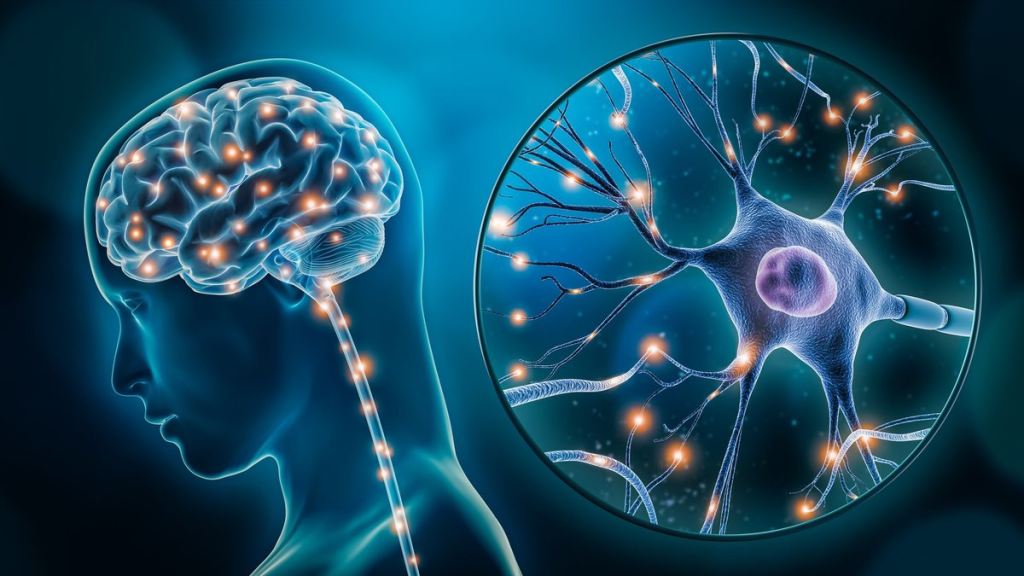
“As we know, our movements are controlled by the brain: it evaluates the situation, plans, and sends signals to the muscular system about which movements to perform. When we move, the brain is active, and even some time after physical activity, brain activity remains elevated,” said assoc. prof. dr. Vida Česnaitienė from the Department of Physical and Social Education at the Lithuanian Sports University. According to her, it is very important for us to keep the brain active for as long as possible, because when we are physically active, various processes take place in the brain. “Physical exercise has a positive effect on neurogenesis new neurons (brain cells) are formed during exercise. Physical exercise also positively affects neuroplasticity connections between active neurons are strengthened, making their function more efficient. Physical exercise has a positive effect on neurochemistry during exercise, neurotransmitters are released, which are chemical compounds that transmit signals between nerve cells. Physical activity increases the levels of neurotransmitters: BDNF (brain-derived neurotrophic factor), the brain’s main ‘nourisher’; serotonin, which is responsible for motivation and willpower; norepinephrine, which is linked to energy and concentration; and dopamine, which is responsible for pleasure and decision-making. Physical exercise also reduces the levels of stress hormones: cortisol, produced by the adrenal cortex, and adrenaline, produced by the adrenal medulla,” the researcher explained.

It causes changes throughout the entire body
According to assoc. prof. dr. Vida Česnaitienė, in recent decades scientists have been widely investigating the effects of physical exercise on all systems of the human body. Any muscle contraction causes significant changes not only in the brain but also in other organs:
“It has been found that when muscles contract, they release certain substances called myokines. These are defined as cytokines and other peptides produced and secreted by muscle fibers. They act as mediators between muscles and other organs, including the brain, adipose tissue, bones, liver, intestines, pancreas, blood vessels, skin, and even the muscles themselves. Myokines influence cognitive functions, lipid and glucose metabolism, the browning of white fat, bone formation, endothelial cell function, hypertrophy, and skin structure. One of the main myokines is IL-6. It helps reduce inflammatory processes in the body, especially during and after physical activity, when the body adapts to training. It is also associated with a reduction in visceral obesity. The myokine BDNF plays a particularly important role in brain health. Increased levels of BDNF, through mediating mechanisms, further stimulate the production of the same neurotransmitter in the brain and activate the formation of new neurons, as BDNF is a key factor promoting neurogenesis.”
Training depends on a person’s condition
When asked whether it is possible to single out one best type of physical activity, “Lemon Gym” trainer Agnė Mickevičiūtė-Butienė said there isn’t one: “The greatest benefit comes from individually tailored movement that matches a person’s physical fitness, health condition, goals, and lifestyle. The most optimal approach is a combination of developing different physical abilities: strength training for muscle mass and function, aerobic activity for the cardiovascular system, and mobility and flexibility exercises.”
Assoc. prof. dr. Vida Česnaitienė explained that all forms of physical activity are beneficial and necessary for our brain, and which one is recommended depends on the individual’s condition: “For example, if there is a lack of concentration or difficulty focusing, activities such as yoga, tai chi, and similar practices are recommended, as they involve precise, focused movements. If we want to strengthen the circulatory system and improve memory, aerobic activities are recommended these are activities where energy is produced using oxygen. Walking, running, cycling, and similar activities increase heart rate and allow our organs, including the brain, to receive more oxygen.”
Recently, many scientific studies have been examining how strength exercises affect brain function. There is considerable evidence that strength training improves memory by stimulating neurogenesis – the formation of new neurons and connections between them in the hippocampus, the area of the brain responsible for memory.

“Therefore, strength exercises are particularly recommended for older adults, as they help strengthen muscles, prevent sarcopenia (muscle loss), and activate brain function, improving memory. If we feel tired or have experienced short-term stress, activities such as yoga and stretching are recommended. However, if we are experiencing long-term stress or even signs of depression, high-intensity physical activity is strongly advised such as strength training with heavier weights, intense running, or faster-paced cycling.”
How much time should we be physically active per week
According to assoc. prof. dr. Vida Česnaitienė, even 2–5 minutes of movement is better than being inactive. However, if we truly want to maintain our health, we should be active much more. “The World Health Organization and cardiology associations recommend at least 150 minutes of physical activity per week if exercising at higher intensity, and at least 300 minutes per week if exercising at moderate intensity. These recommendations are intended for maintaining health, but if we want to improve it, we need to exercise longer” the researcher said. According to her, 10 minutes is the minimum duration of exercise recommended to achieve tangible health benefits: “During this time, the body’s systems begin to adapt, oxygen becomes involved in energy metabolism, and the production of myokines is activated.”
Where should sedentary people start
We asked the researcher and sports trainer what they would recommend for people who lead a fairly sedentary lifestyle, where to start, and what intensity of movement is appropriate. “If a person is completely inactive, we would recommend starting with very simple everyday activities, just extending or making them more active. For example, if someone has been ill for a long time, they cannot immediately start with heavy loads the body needs to be gradually accustomed to it.”

For sedentary people, older adults, and those recovering from various injuries, light-intensity physical activity is always recommended. Light intensity can include, for example, walking in a park while talking with a friend, but staying in continuous movement. This type of cyclical movement helps regulate heart function, and the brain receives sufficient oxygen.
By using natural conditions, we can create variety in physical load for the body. By changing the type of load, we also train the cardiovascular system, and as we all know, its condition is directly linked to brain health whether the brain is sufficiently supplied with nutrients, and whether blood vessels are healthy, since we have blood vessels in the brain as well. All of this is closely interconnected.
Sports trainer Agnė Mickevičiūtė-Butienė agreed that it is best to start with low-intensity activity and gradually increase the load: “It can be walking, short 10–15 minute sessions, and basic strength and mobility exercises.”

It is important to avoid excessive load at the beginning, as this often leads to fatigue or injuries. Long-term success depends not on an intense start, but on the ability to maintain physical activity as a regular part of life.
How many minutes should you move each day
When asked how much time should be spent moving each day, assoc. prof. dr. Vida Česnaitienė said that at least 30 minutes per day is necessary, and this time can be split for example, into three 10-minute sessions. According to Agnė Mickevičiūtė-Butienė, in many cases 30 minutes of moderate-intensity physical activity per day is enough to improve overall well-being, reduce the risk of chronic diseases, and maintain physical fitness. However, she notes that positive effects are also seen with shorter durations: “Even 10–20 minutes of purposeful movement can have a significant impact, especially for people who are physically inactive. The key factor is not duration, but regularity and properly chosen intensity.”
Consistency is especially important
According to the sports trainer, regularity is the key factor determining long-term results when it comes to physical activity: “Physical changes both physiological and functional only occur with consistent load. Irregular exercise does not allow the body to adapt, increases the risk of injury, and often leads to loss of motivation. Meanwhile, systematic movement builds habit, stabilizes progress, and allows for the safe increase of physical load.”
Assoc. prof. dr. Vida Česnaitienė also stated that regular physical activity is essential for maintaining health, and explained what happens if we suddenly stop moving or only exercise intensely once a week: “Scientists have found that intense exercise once or twice a week even reduces our usual level of physical activity.
There are studies showing that BDNF concentration reflects how physically active we have been. An experiment with mice was conducted: they continuously ran on a wheel, and the level of released BDNF was measured. The higher the concentration, the better brain regeneration is believed to occur—new neurons are formed, and neural networks expand. When the mice stopped exercising, after seven days the BDNF levels dropped and returned to baseline, as before the training cycle. The same applies to humans. We need to continuously activate the brain and keep moving, because even a break of two weeks can affect us significantly. Once we start, we should not allow the body to become sedentary.”